
Timber Floor Sanding & Polishing Melbourne
ITB Floors has been the trusted name for floor sanding & polishing requirements in Melbourne for over 40 years. Our Certificate III-qualified, ATFA-accredited team restores floorboards, parquetry, solid timber and engineered floors using dust-controlled sanding equipment and premium coatings from LOBA, BONA and POLYCURE. Every job is backed by our minimum seven-year warranty, so whether your floors have lost their shine or show years of scuffs and scratches, our floor polishing services team can bring them back to life.
What Is Floor Sanding & Polishing?
Floor sanding removes the top layer of a timber floor to strip away scratches, stains and old finish, while polishing reapplies a protective coating that restores the timber’s natural shine. Together, they’re the most effective way to bring tired floorboards back to a like-new finish without the cost of a full replacement.
At ITB Floors, our floor sanding team sands floors back to bare timber using dust-controlled equipment, then applies two to three coats of polish depending on the finish you choose. The process suits newly installed floors, engineered timber, parquetry, and older floorboards that have never been sanded before. If your floor was previously stained, we sand it back to bare timber first so the new finish sits evenly across every board.
Signs Your Timber Floors Need Sanding and Polishing
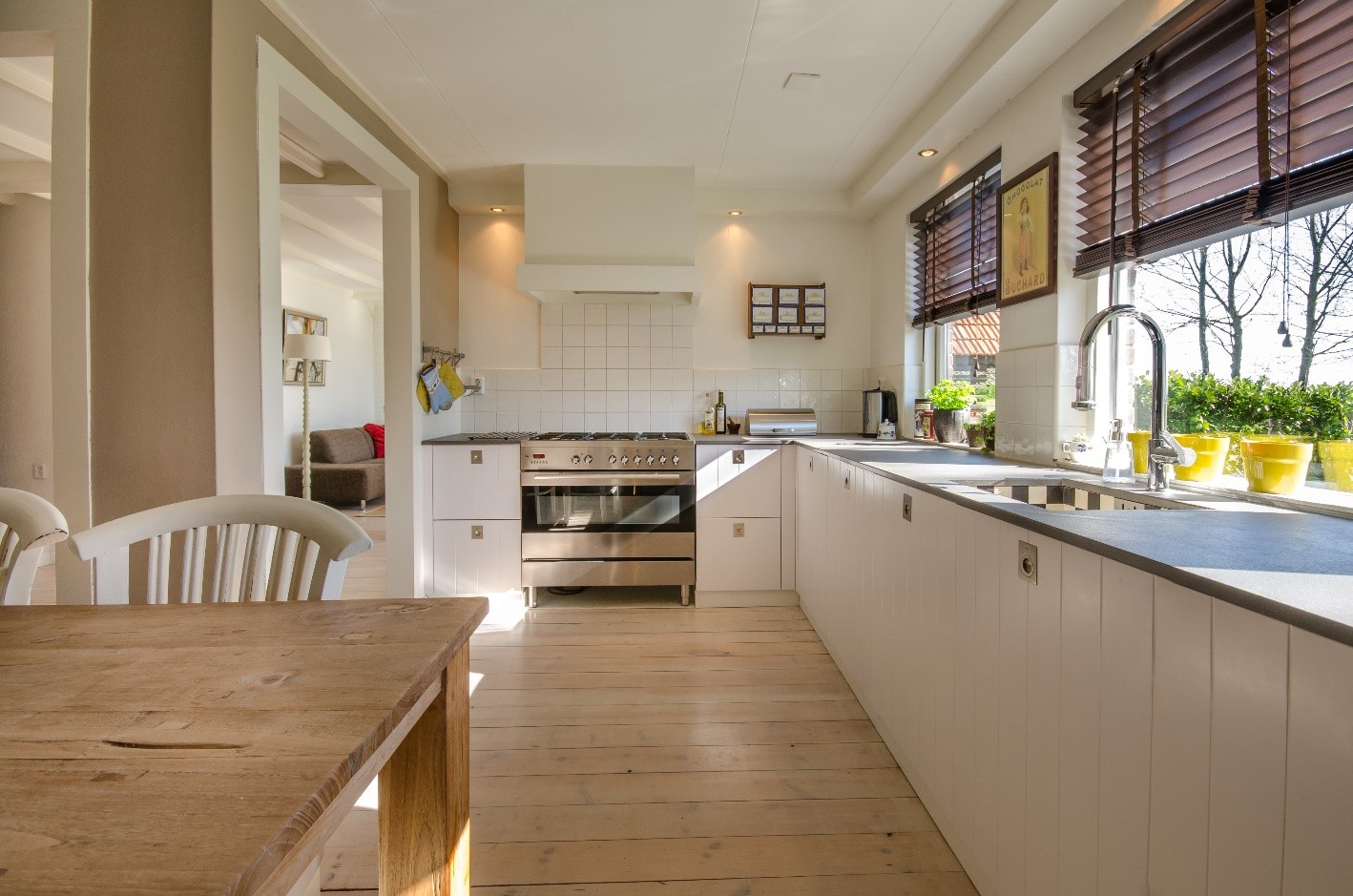
If your floorboards look dull, feel rough underfoot, or show scratches, gaps and watermarks, it’s time to book floor sanding that Melbourne homeowners recommend. Melbourne’s shifting humidity across the seasons can also cause boards to expand, contract and lose their protective coating faster than in more stable climates.
Common signs include:
- A faded or patchy finish, especially in high-traffic hallways and living areas
- Visible scratches from furniture, pets or everyday wear
- Water stains or watermarks near kitchens, bathrooms or entryways
- Gaps opening up between boards
- Floors that feel rough, sticky or dull to touch, even after cleaning
If you’re noticing any of these, a sand and polish will usually restore your floors rather than requiring a full replacement.
Our Timber Floor Polishing Process
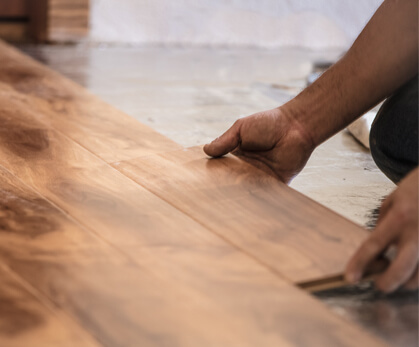
The timber floor polishing process for our Melbourne clients starts with an on-site inspection, followed by dust-controlled sanding back to bare timber, filling and repairs where needed, then two to three coats of premium polish depending on the finish you choose.
Here’s what to expect:
- Inspection and assessment of your existing floor, subfloor and any repairs needed
- Sanding back to bare timber using dust-controlled equipment to minimise mess in your home
- Staining, if you’d like to change the tone of your timber
- Applying your chosen coating: LOBA or BONA water-based polish, POLYCURE solvent-based polish, or natural wax
- Drying and curing time before furniture goes back in
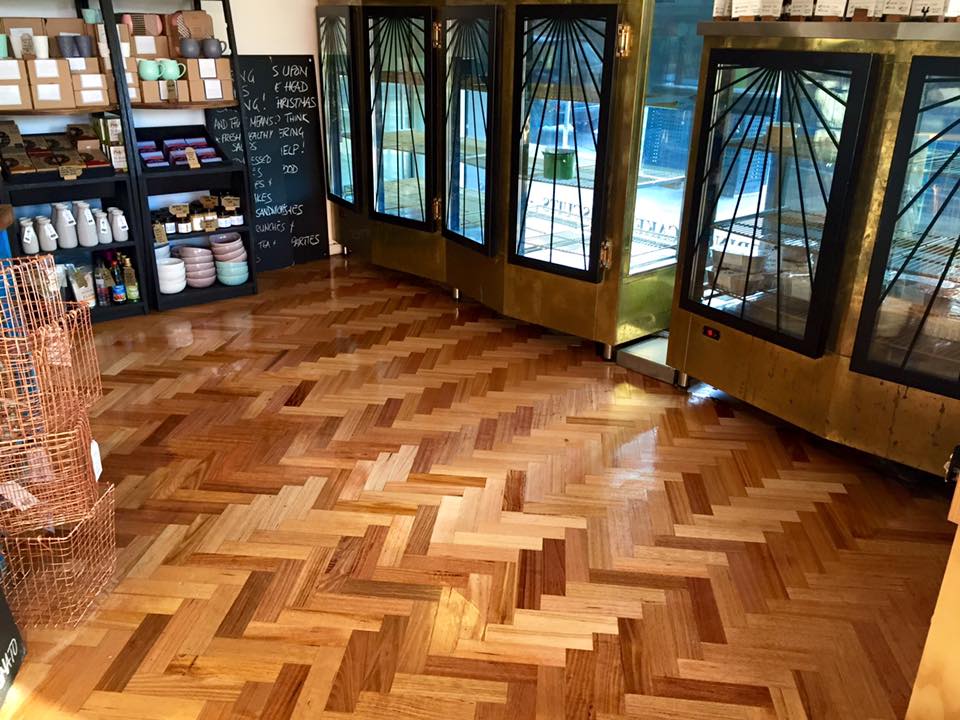
For parquetry floors, we also trowel putty into the gaps between blocks before applying two coats of polish, so the pattern reads as one seamless surface.
Floorboard Polishing in Melbourne: What to Expect During the Job
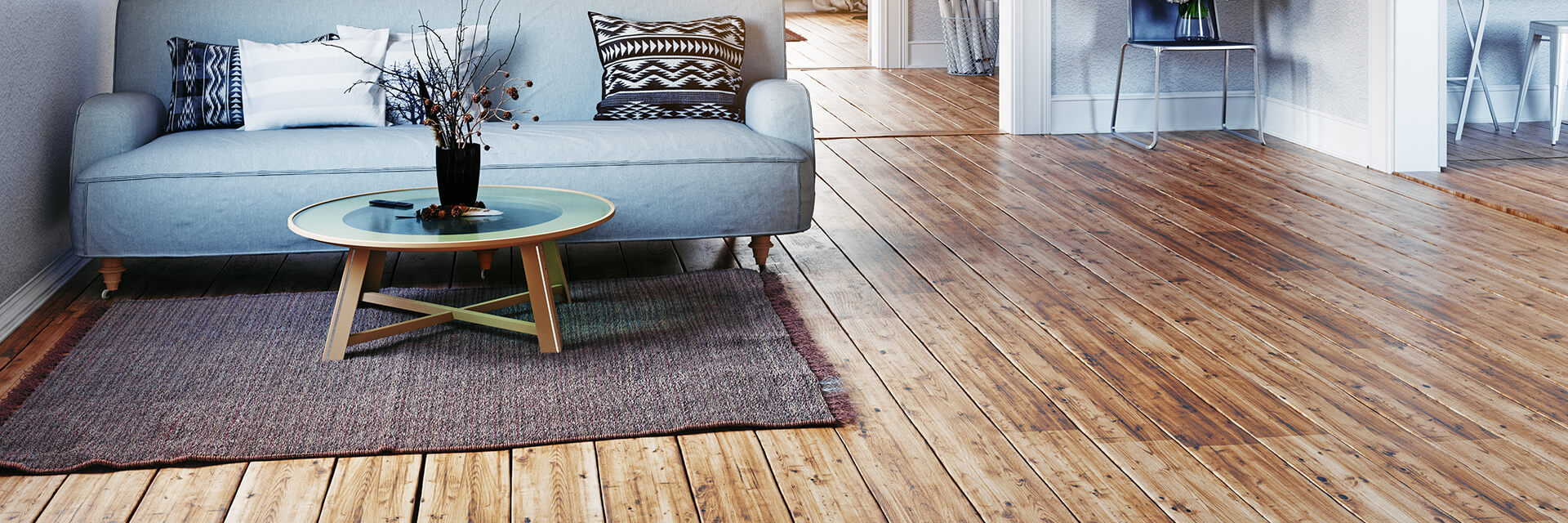
Before work begins, you’ll need to clear furniture from the area being sanded since we’re not insured to move furniture ourselves. If your floorboard polishing project involves floors currently hidden under carpet or tiles, we can assist with removing these coverings to expose the timber underneath. Dust-controlled equipment keeps mess to a minimum throughout, so your home stays liveable during the works.
How Long Does Timber Floor Sanding Melbourne Take?
For an average three-bedroom, open-plan Melbourne home, timber floor sanding projects typically take around five days to complete, plus a minimum of two days’ drying time before furniture goes back in. Solvent-based finishes require you to stay out of the house for two to three days after application, while water-based (LOBA, BONA) and natural wax finishes are low in VOCs, so you can often remain at home while the coating cures.
How Much Does Floor Sanding & Polishing Melbourne Cost?
The cost of floor sanding & polishing Melbourne projects depends on your floor size, timber type, the extent of repairs needed, and the finish you choose. Because every floor is different, we don’t publish a flat rate; instead, we offer a no-obligation free measure and quote, so you’ll know the exact cost before any work begins.
Floor Polishing Services Melbourne: Choosing the Right Finish
Choosing the right finish is one of the most important decisions in any floor polishing project, as it affects how your floor looks, wears and needs to be maintained. We work with three main options:
- Water-based polish (LOBA or BONA): low in VOCs, doesn’t discolour your timber over time, and keeps the floor’s natural colour true. In many cases, you can stay in your home while it’s applied.
- Solvent-based polish (POLYCURE): a hard-wearing finish that can last up to ten years without re-coating, though it requires you to vacate the property for two to three days.
- Natural wax: a low-VOC option that retains the timber’s natural look and lets you stay home during the job, though it needs more frequent top-ups than the other two finishes.
For most Melbourne homes, we recommend a water-based finish for its durability and low-fuss maintenance, but our team can talk you through the best option for your household.
Benefits of Professional Floor Sanding & Polishing
Professional sanding and polishing extends the life of your timber floor and keeps your home healthier. A freshly sanded and polished floor resists everyday wear far better than a worn, unsealed surface, meaning fewer repairs and a longer lifespan.
Timber floors are also naturally allergen-resistant compared to carpet, which traps dust, pet hair and other particles, which is a real consideration during Melbourne’s pollen-heavy spring months. A well-maintained floor is easy to clean, adds warmth to a room, and can add genuine value to your home.
Timber Floor Types We Restore
Our floor polishing services for Melbourne homes and businesses cover a full range of timber flooring, including:
Newly installed timber floors
Engineered timber floors, in most cases, provided there’s enough solid timber in the wear layer to sand safely
Old or existing timber floors that have never been sanded
Previously stained floors, sanded back to bare timber before refinishing
Parquetry floors, finished with putty-filled joints and two coats of polish
How to Maintain Your Timber Floors After Restoration
Once your floors are freshly sanded and polished, a simple routine keeps them looking their best. Sweep or vacuum regularly to remove grit that can scratch the finish, and mop only occasionally with a well-wrung, barely damp mop, since standing water is one of the fastest ways to damage a timber floor.
Use felt pads under furniture legs, avoid dragging heavy items across the floor, and wipe up spills as soon as they happen. In high-traffic areas, a light re-coat every few years is usually enough to keep the finish protected.

ITB Floors timber floor installations commercial hawthorn display home

ITB Floors timber floors sanding staining polishing commercial Piquancy indian restaurant

ITB Floors installation engineered boards malvern residence
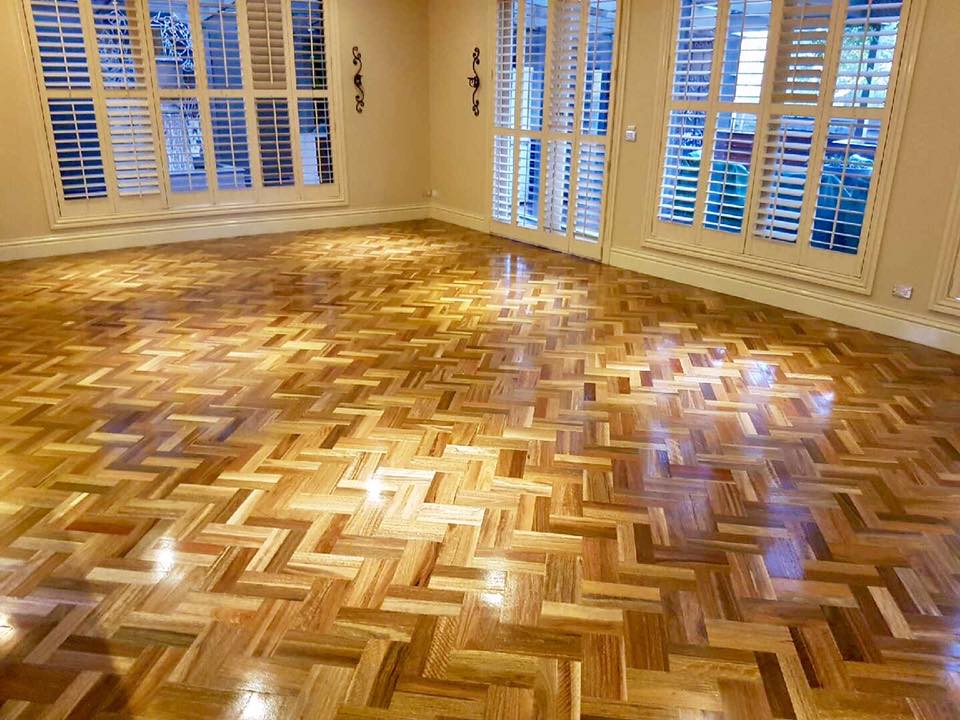
ITB Floors parquetry sanding polishing templestowe
WHAT OUR MELBOURNE CLIENTS SAY
Don’t just take our word for it. Here’s what Melbourne homeowners say about their floor sanding & polishing experience with ITB Floors:
Frequently Asked Questions
How often should timber floors be sanded?
Most timber floors need a full sand and polish every 7 to 10 years, depending on foot traffic, sunlight exposure and day-to-day maintenance. High-traffic hallways and living areas may need attention sooner, while a light re-coat between full sands can extend the time before you need to sand back to bare timber again.
Can scratched timber floors be restored?
Yes. In most cases, scratched timber floors can be sanded back and refinished without needing a full replacement, restoring the surface to a smooth, like-new finish. Only severe structural damage, such as extensive water damage or rot, would require individual boards to be replaced before sanding and polishing.
Is dust-free floor sanding available?
We use dust-controlled sanding equipment to significantly reduce the mess and airborne dust created during the sanding process, keeping your home cleaner throughout the job. While no sanding process is entirely dust-free, our equipment and techniques minimise disruption to your household.
What finish should I choose?
It depends on your priorities. Choose a water-based finish (LOBA or BONA) for a natural look and low VOCs, a solvent-based finish (POLYCURE) for maximum durability of up to ten years, or natural wax if you prefer a traditional finish and don’t mind more frequent maintenance. Our team can recommend the best fit for your floor and lifestyle.
Can engineered timber flooring be sanded?
In most cases, yes, provided there’s enough solid timber in the wear layer to sand safely. We assess each engineered floor individually, as sanding too many times can wear through to the substrate underneath. Our team can tell you how many sands your floor has left during a free inspection.
Do I need to move out during floor sanding and polishing?
It depends on the finish. Solvent-based polish requires you to vacate the property for two to three days due to stronger fumes, while water-based and wax finishes are low in VOCs, so you can often stay home while the work is completed.