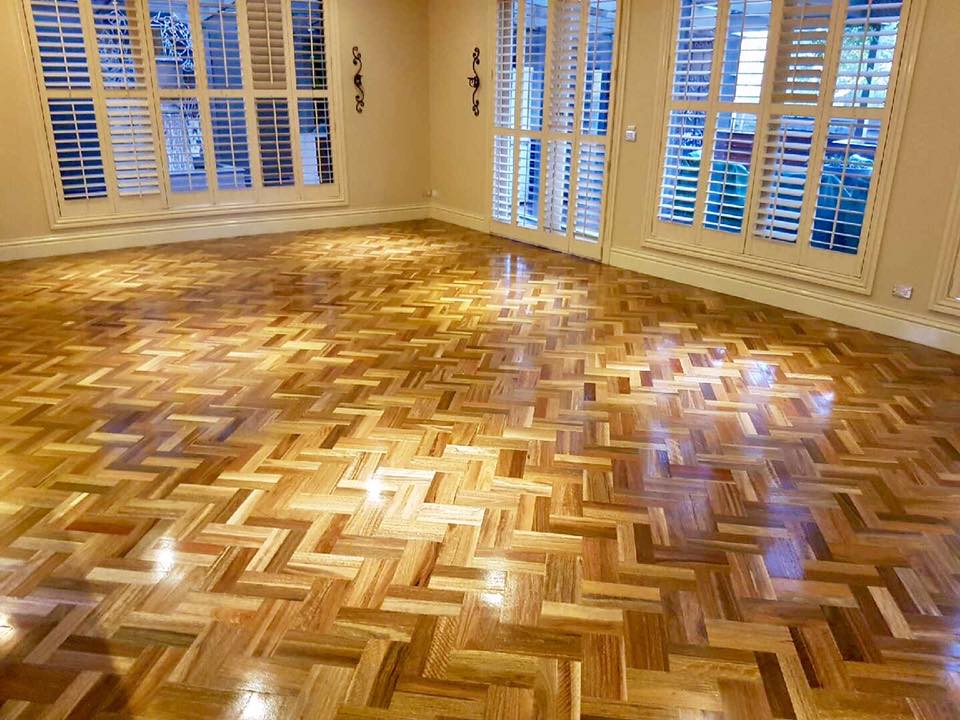
Timber Floor Repairs Melbourne
The type of timber floor repairs that Melbourne homeowners need most often don’t require replacing the entire floor. At ITB Floors, we assess the damage first and carry out the right repair, whether that’s fixing a localised area, replacing individual boards, or fully restoring the floor through sanding and re-coating.
From home repairs to a full interior renovation, we can restore the beauty of your home or business in Melbourne CBD and the Eastern Suburbs.
ITB Floors has a team of up to six qualified professionals, including a fully qualified builder, plasterer, sander/polisher and business development manager who can design, build or transform your existing interior into a functional and attractive space.
We can complete all interior renovations that don’t require a permit and have successfully completed jobs as simple as a replacement door or skirting, to total bathroom renovations and complete interior renovations.
Signs Your Timber Floors Need Repair
If you notice any of the following issues, it may be time to have your timber floors professionally assessed:
- Squeaking or movement when walking across the floor
- Deep scratches, dents, or visible surface wear
- Water stains, discolouration, or dark patches
- Boards that are lifting, warping, or buckling
- Gaps appearing between floorboards
- A dull or worn finish that no longer protects the timber
- Damaged or loose individual boards
- Pet scratches or staining that affect the appearance of the floor
Types of timber floor repairs we perform
Damaged timber flooring shows up in different ways. Here are the most common floorboard repair types we handle across Melbourne CBD, Eastern Suburbs, Ringwood, Doncaster, Blackburn, Camberwell and surrounding areas.
Scratches and surface damage
Foot traffic, furniture, and pets all leave their mark over time. Surface scratches and staining are addressed through sanding and polishing, which removes the damaged layer back to bare timber. Fresh coats of polish are then applied to restore the finish.
Worn or dull finish
A floor that’s lost its protective coating doesn’t need full replacement. Re-coating restores the finish and adds a new protective layer. For high-traffic spaces like school halls, community halls, and ballrooms, we recommend re-coating annually to preserve the floor and avoid the need for a full re-sand.
Loose or squeaky floorboards
Floorboards that move or squeak underfoot are a common issue in older Melbourne homes. The cause is usually movement in the boards themselves. We assess the affected area and carry out the necessary repairs before sanding and re-coating the floor.
Water-damaged timber floors
Water exposure can cause timber boards to swell, warp, or lift. In some cases, the affected boards can be repaired and the floor sanded back. Where boards are too far gone, we replace them. Where possible, we supply the replacement flooring to match your existing floor.
Warped or buckled boards
Boards that have cupped or buckled affect both the look and feel of the floor. We inspect the extent of the damage to work out whether the boards can be sanded flat or need replacing before the floor is re-coated.
Damaged board replacement
Where individual boards are beyond repair, we replace them in isolation rather than pulling up the whole floor. We supply the flooring for repairs where possible and sand and polish the repaired area to match the surrounding floor. In some cases, the entire floor area needs to be sanded and polished after repair to ensure an even finish.
Pet damage
Scratches and staining from pets are among the most common reasons Melbourne homeowners call us for timber floor repairs. Sanding removes the surface damage back to bare timber, after which the floor is re-finished with fresh coats of polish.
What Happens If Floor Damage Is Ignored?
Minor timber floor damage can become a larger and more expensive problem if left untreated. Surface scratches may expose the timber to moisture, while water-damaged boards can continue to swell, warp, or deteriorate over time. Loose boards may create safety hazards, and worn finishes leave the timber vulnerable to further damage. Addressing problems early often helps avoid more extensive repairs or replacement later.
When Can Timber Floors Be Restored Instead of Replaced?
Most timber floors can be restored when the damage is limited to the surface or affects only a small number of boards. Scratches, stains, worn finishes, minor water damage, and isolated board issues can often be repaired through sanding, board replacement, and re-coating. Replacement is generally only necessary when the timber is structurally damaged beyond repair or large sections of flooring have been severely affected.
Should I repair or replace my timber floors?
In many cases, damaged timber flooring can be repaired and restored without replacing the entire floor. Old timber floors can be re-sanded back to bare timber and restored to a like-new condition. Replacement makes sense only when boards are structurally beyond repair.
Timber floor restoration is worth considering because:
- It costs less than full replacement
- It preserves the original timber, which is often higher quality than newer alternatives
- Sanding and re-coating extends the floor’s lifespan significantly
- A properly restored floor looks the same as a new installation
If you’re not sure which way to go, call us on 0413 817 781 and we’ll assess the floor and give you an honest recommendation.
Step-by-step timber floor restoration process
Step 1: Floor inspection
We inspect the floor to work out what repair approach is needed. Some floors only need a localised repair and re-coat. Others need a full sand back. The assessment determines everything that follows.
Step 2: Carry out repairs
We arrange any repairs required to your timber floors. Where individual boards need replacing, we supply the flooring where possible. Usually we repair just the affected area rather than treating the whole floor.
Step 3: Sand the floor
Where a full restoration is needed, the floor is sanded back to bare timber. Previously stained floors are always sanded to bare timber first. All floors are sanded extra fine for a smooth, even surface.
Step 4: Re-coat and polish
All floors are re-coated with 3 coats of polish. We use water-based finishes (LOBA from Germany, or BONA) and solvent-based finishes (POLYCURE) depending on your preference and how the space is used. In some cases, the entire floor area needs to be sanded and polished after repair to ensure the finish is even across the floor.
Step 5: Ongoing maintenance
We can maintain your floors by re-coating as required to keep them in good condition long-term.
Need help with outdoor timber surfaces too? ITB Floors also restores decks, verandahs, and pergolas across Melbourne’s Eastern Suburbs. Old outdoor decks are re-sanded back to bare timber and re-coated with 2 to 3 coats of decking oil. Get in touch to discuss your project.
FAQs
1: Can scratched timber floors be repaired without replacement?
In most cases, yes. Surface scratches are removed through sanding and refinishing without replacing the boards. Once sanded back to bare timber, the floor is re-coated with fresh polish and looks new again.
2: Can you repair just part of my timber floor, or does the whole floor need to be done?
Usually we repair just the affected area, then sand and polish that section. In some cases, the entire floor needs to be sanded and polished after repair to ensure the finish matches evenly across the floor.
3: Can water-damaged timber floors be repaired?
Yes, in many cases. Where boards have swollen or warped, we assess whether they can be sanded back or need replacing. Where possible, we supply the replacement flooring to match your existing floor.
4: Can individual floorboards be replaced?
Yes. Where boards are damaged beyond repair, we replace them in isolation. We supply the flooring for repairs where possible and sand and polish the area to match the surrounding floor.
5: How long does timber floor restoration take?
It depends on the extent of the damage and the size of the area. In an average 3-bedroom open-plan home, allow around 5 days for the work and at least 2 days drying time.
6: Is it cheaper to repair or replace timber flooring?
Repairs and restoration are almost always the lower-cost option. Old timber floors can be re-sanded and restored to a like-new condition without the cost of full replacement. We’ll give you an honest assessment of which makes sense for your floor.
7: How often should timber floors be re-coated?
For high-traffic areas like school halls, community halls, and ballrooms, we recommend re-coating annually. This preserves the floor and avoids the need for a full re-sand.

ITB Floors timber floor installations commercial hawthorn display home

ITB Floors timber floors sanding staining polishing commercial Piquancy indian restaurant

ITB Floors installation engineered boards malvern residence